About the workshop
Co-organised by the Global Sea Level Observing System (GLOSS) and the IAPSO Commission for the Study of Sea Level and Tides (CSLT), the workshop will bring together scientific and technical-operational perspectives on sea level, and is intended for researchers, station operators, data managers, agency representatives and authorities with interests or responsibilities in sea level monitoring. GLOSS National Focal Points attending the Group of Experts meeting are warmly encouraged to participate.
Over one and a half days, the programme will address emerging technologies, sea level products in data portals, sea level data archaeology and applications of artificial intelligence to in-situ sea level data and metadata. Each session combines short panel presentations with a round-table discussion open to all participants.
Rationale
Sea level monitoring sits at the intersection of scientific research and operational practice, yet opportunities to bring these communities together in a single forum are rare. This workshop responds to that gap by pairing recent scientific advances in sea level research with the technical and operational developments that make them possible — from emerging observation techniques to the processing, archiving and application of sea level data. Taking place immediately after the Nineteenth session of the GLOSS Group of Experts, it gives national focal points, station operators, data managers, agency representatives, authorities and researchers a shared space to turn strategic discussion into concrete technical guidance, reinforcing the link between sea level science and the observing infrastructure it depends on.
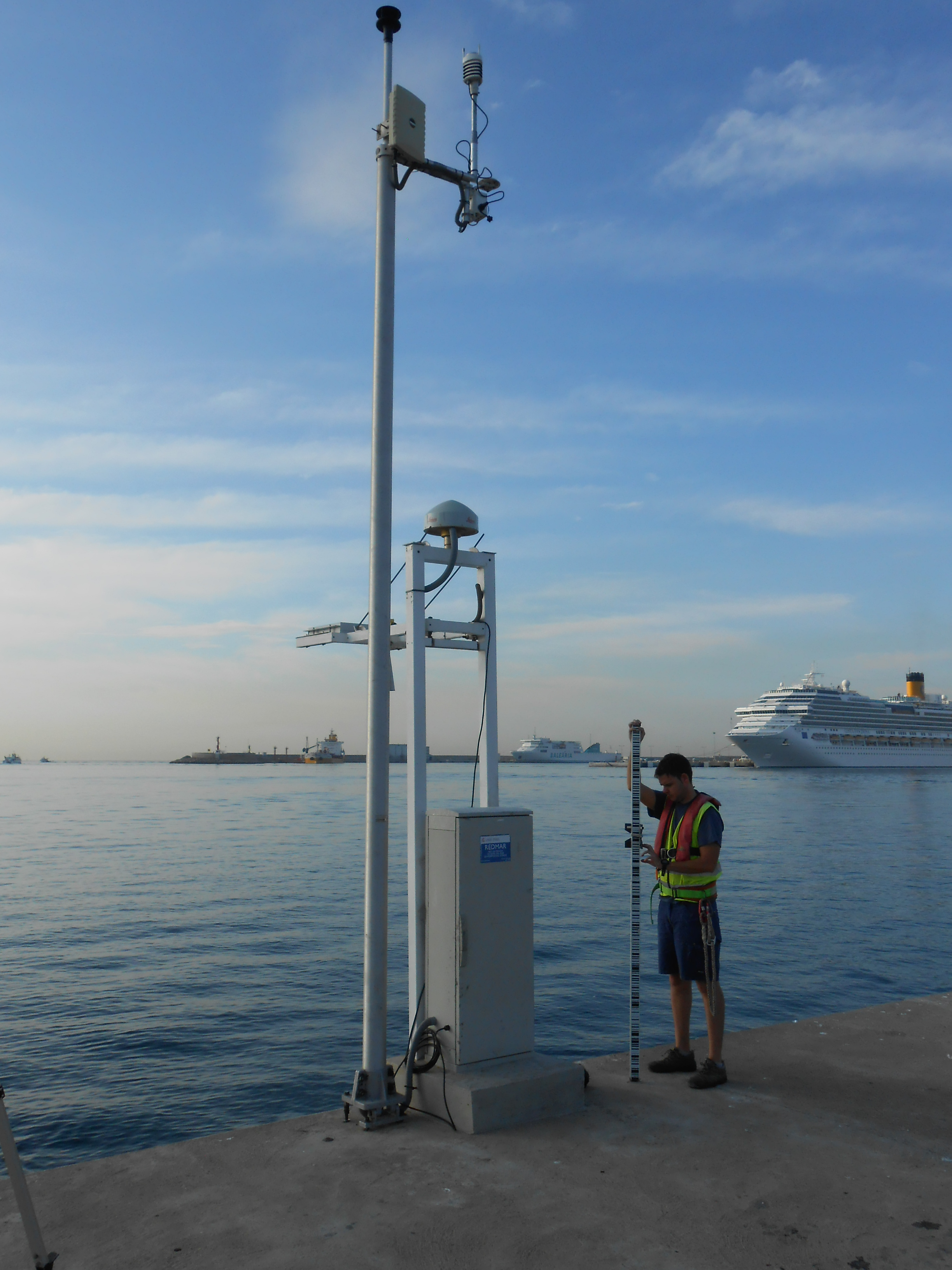
Programme
Each session pairs 20–25 minute panel presentations and Q&A with a round-table discussion open to all participants.
| Field trip: visit to a tide gauge station (location to be confirmed)pending |
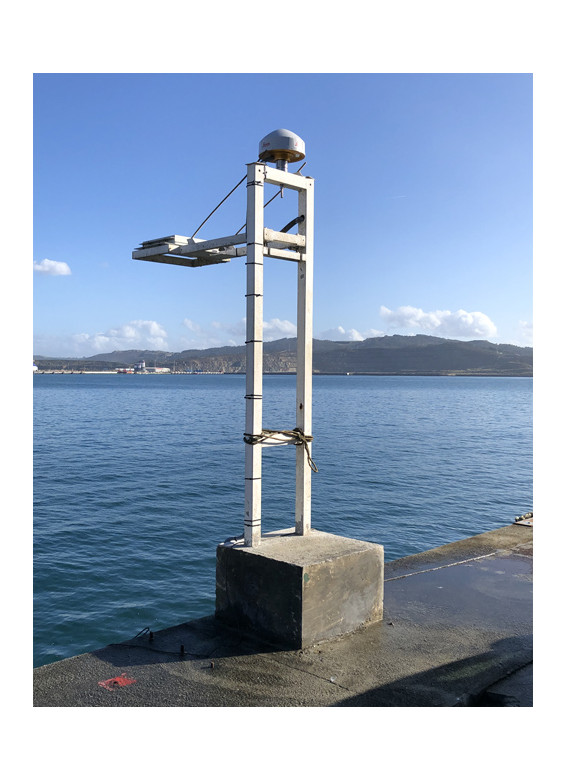
| Emerging technologies: GNSS-IR – field practices, equipment and data acquisition |
| Emerging technologies: GNSS-IR – processing methods, performance and tools |
| Sea level products in data portals: risk assessments using high-frequency data |
| Sea level products in data portals: use by operational climate services of long-term, stable, VLM-controlled sea level data |
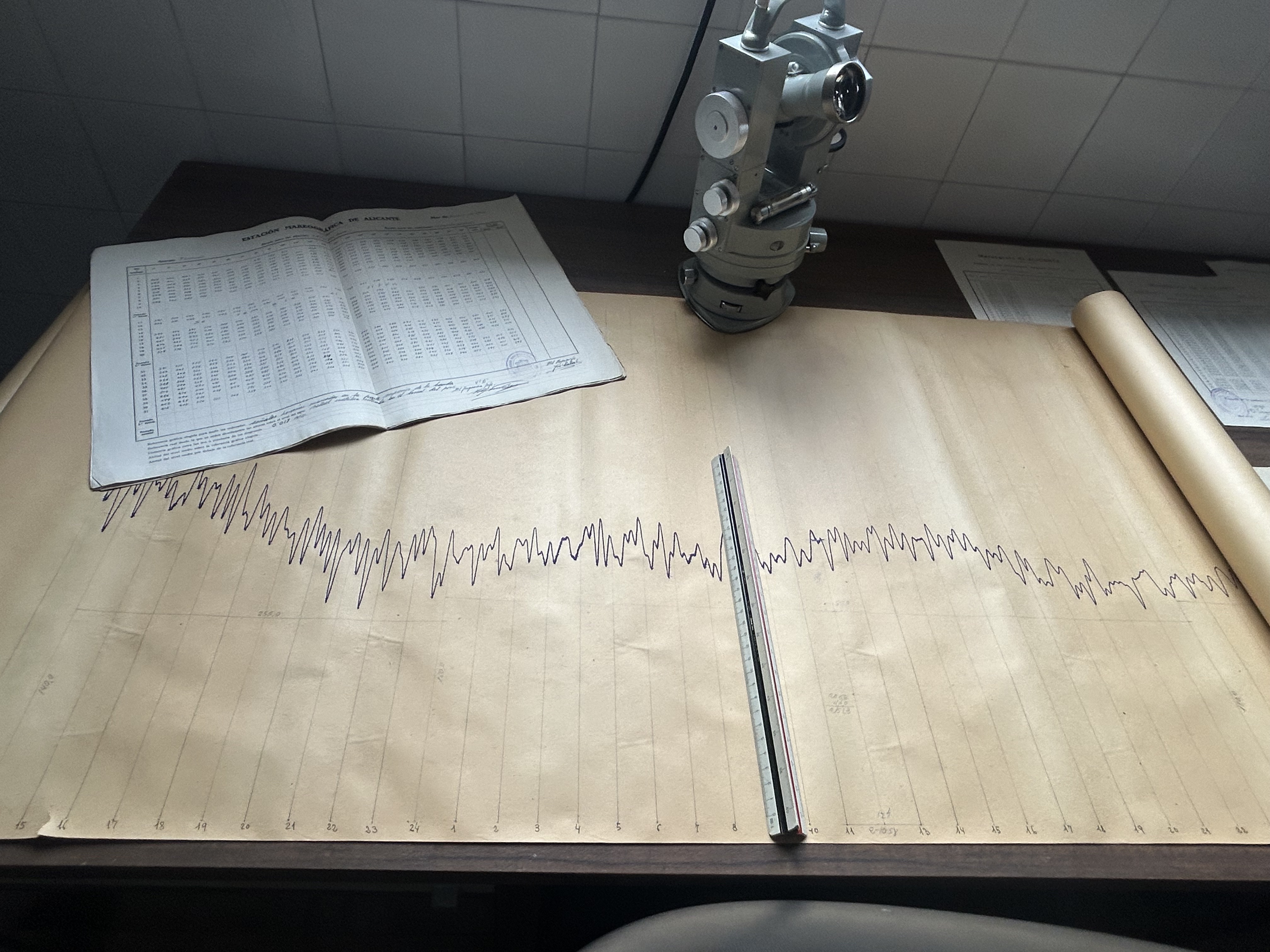
| Sea level data archaeology |
| AI uses in sea level in-situ data and metadata |
Full timetable and panellists to be announced.
Practical information
- Venue
- University of La Rochelle, France
- Logistics
- There will be a public event on Monday evening. During the workshop, lunch and coffees will be provided, but attendants are expected to book their own accommodation. There are no fees, but registration is required. Please note that there is a limited number of 80 attendees.
- Accommodation
- Information on recommended hotels will be posted.
- Deadlines
- To be announcedpending
Registration
here
Registration is required and free of charge, with places limited to 80 attendees. The registration form is hosted by the University of La Rochelle.